
The Brave Heath shares practical, down-to-earth guidance on uk outdoor adventures, walking and heathland conservation for readers across the UK.
- 0123456789
- Angle Bd Abdelmoumen & rue soumaya, Résidence
- [email protected]
The Brave Heath shares practical, down-to-earth guidance on uk outdoor adventures, walking and heathland conservation for readers across the UK.
 By Eleanor Whitcombe
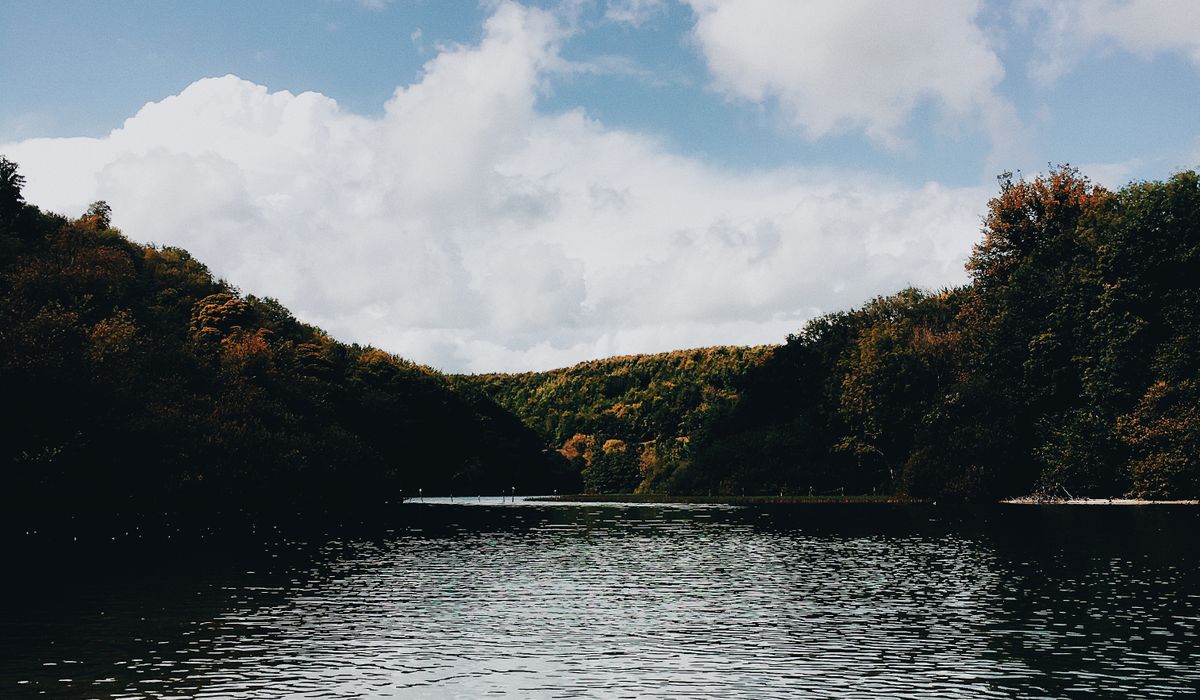
A four-year-old walking at a comfortable pace on uneven ground covers roughly a mile in an hour, and that is before you stop to look at a beetle, throw a stick in a stream or negotiate a gate. Planning a route of two to three miles for a half-day out is plenty. A useful rule of thumb is one mile per year of age, reduced by a third if the ground is rough, boggy or steep — and heathland is often all three.
The best family rambles are not the shortest ones, they are the most interesting ones. Look for a route with features at regular intervals: a wooden boardwalk over a boggy hollow, a footbridge wide enough to play Poohsticks from, a trig point to touch, a sandy hollow where heather gives way to bare earth, a pond with dragonflies. Children who have something to reach in ten minutes do not notice their legs.
Circular routes beat out-and-back walks for most families. A loop feels like an adventure; a return along the same path invites the question "are we nearly there yet?" just as you turn for home.
The single most useful rule for young walkers is simple and easy to remember: stay where you can see me, and where I can see you. Agree it at the car park, before boots are on and excitement takes over, and repeat it at every stile.
Beyond that, a few practical habits make a real difference:
If someone does go missing, call 999 immediately rather than searching alone for half an hour. Ask for the police and say clearly that a child is missing — on open heathland they may also task a search team. The sooner it starts, the smaller the area.
British heathland is exposed. The same path that is baking at two o'clock can be cold and windswept by four, and lowland heath is often the highest, most open ground for miles around. Layers work better than one thick coat, because children overheat when they run and chill the moment they stop.
Lowland heath is wonderful, and parts of it bite. Adders bask on sunny patches of bare ground and along heather edges, particularly in the morning. Teach children to keep their hands out of dense vegetation, never to reach under logs or into tussocks, and to stand still and call an adult if they see a snake. Wearing boots and long trousers on rough ground avoids most problems.
Check for ticks when you get home — behind the knees, around waistbands, in armpits and along the hairline. Bracken and heather are prime tick habitat from spring to autumn.
Cattle and ponies graze many UK commons and heaths as part of conservation management. They are used to people but should never be approached, fed or crowded, and dogs should be kept under close control around them.
Heathland is one of the rarest habitats in the world, and Britain holds a significant share of the global total. It is also fragile. Ground-nesting birds such as nightjar, woodlark and Dartford warbler nest on bare, sandy ground between March and July, and a single straying pair of feet can destroy a clutch.
So keep to the paths, even when a shortcut looks tempting, and explain why to the children in terms they will enjoy — "we are walking around their nursery". Leave heather, lichen and flowers where they are; build dens with fallen wood only, and dismantle them before you leave. Take everything home, including apple cores and banana skins, which take years to break down on acid heathland soil.
Finally, tell someone where you are going and when you expect to be back, and check daylight hours before you set out. A family walk that ends in warm, tired, slightly muddy children asking when they can come again is the whole point — and the boundaries, layers and snacks are what get you there.


We are not gonna make spamming
