
The Brave Heath shares practical, down-to-earth guidance on uk outdoor adventures, walking and heathland conservation for readers across the UK.
- 0123456789
- Angle Bd Abdelmoumen & rue soumaya, Résidence
- [email protected]
The Brave Heath shares practical, down-to-earth guidance on uk outdoor adventures, walking and heathland conservation for readers across the UK.
 By Harriet Clarke
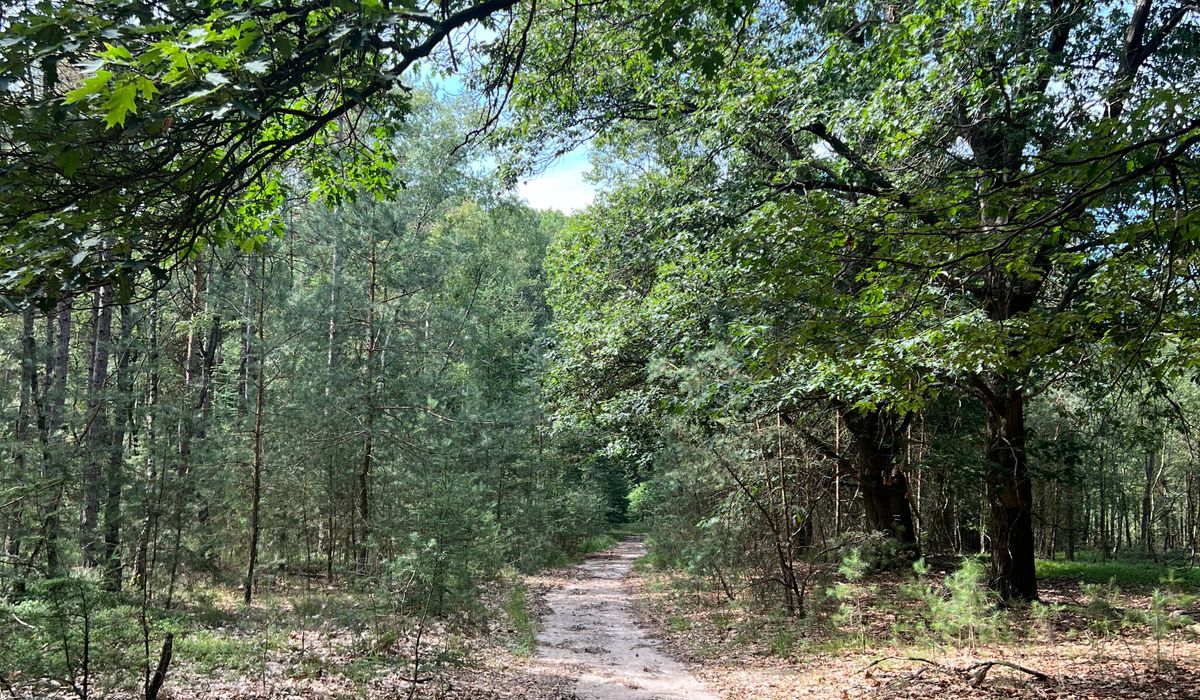
A tarp is one of the most versatile pieces of kit you can carry. It weighs very little, packs down small, and gives you a surprising amount of shelter for lightweight overnight camps. Unlike a tent, it lets you choose the shape and height of your cover, so you can pitch low and tight against wind and rain, or open and airy on a still summer evening. In UK woodlands, where trees are often close together and the ground can be uneven, that flexibility matters. A tarp also keeps you closer to the sights and sounds of the wood — the rustle of leaves, the call of a tawny owl, the smell of damp earth after rain. Used well, it is a quiet, respectful way to spend a night out.
Before you unpack, look up and look down. A flat pitch is easier to sleep on and less likely to funnel water under your sleeping mat. Avoid pitching beneath dead branches or whole dead trees — often called widowmakers — and steer clear of large, brittle limbs that could come down in a gust. Check the ground for roots, stones, and ant nests, and choose a spot that already looks used rather than a pristine patch of moss or lichen.
If your woodland borders heathland, camp in the trees, not on the heath itself. Lowland heath is a rare and fragile habitat, home to ground-nesting birds, adders, and specialised insects. Heather, gorse, and moss take years to recover from trampling, and a single spark can cause a devastating fire. Keep your pitch on leaf litter or bare earth, and treat the heath as somewhere to walk quietly and admire, not to camp on.
You do not need a knot for every occasion. Four reliable ones will cover almost every tarp pitch. Practise them at home until your fingers remember them, because cold, wet hands in the dark are not the time to learn. Use 3mm to 4mm cord for guylines and a longer ridge line, and keep it tidy with small stuff sacks or Figure-of-eight coils.
Where cord meets bark, protect the tree. Thin cord can cut into trunks, so use wide webbing straps or pad the contact point with a cloth. Never cut live wood, and never drive pegs into heath or fragile moss.
The classic tarp shelter is the A-frame, and it works beautifully between two trees. Find two trunks roughly three to five metres apart. Tie your ridge line between them at about waist to chest height — around one to one and a half metres — using a bowline at one end and a trucker’s hitch at the other. Tighten it until it hums. Drape your tarp over the line, centred, and peg the four corners out at roughly 45 degrees. If rain is likely, pitch the windward side lower and steeper so water runs off quickly.
British weather rarely does exactly what the forecast promises. A tarp lets you adapt. In steady rain, lower the edges and angle one side into the wind. In warm, muggy conditions, raise the sides for cross-ventilation. Midges can be a trial in late spring and summer, especially near damp woodland and heath. A fine mesh inner or a bivvy bag with a midge net makes a huge difference. If you use a groundsheet, choose one with a slight lip to stop water creeping in, and sleep on a mat that insulates you from the cold ground. A small candle lantern or a low-level light helps you find your kit without waking the wood.
Wild camping rules vary across the UK, so always check local access and bylaws before you go. In many places, lightweight overnight camping is tolerated only if it is discreet, brief, and leaves no trace. Arrive late, leave early, and keep groups small. Take all litter home, including food scraps and fruit peel. Do not cut branches, break dead wood from standing trees, or light fires — heathland and dry woodland are extremely vulnerable to fire. If you must cook, use a small stove on a stable, non-flammable surface, well away from vegetation. Leave the pitch looking as if no one had been there. That way, the wood, the heath, and the wildlife can carry on undisturbed — and you can come back another night.


We are not gonna make spamming
