
The Brave Heath shares practical, down-to-earth guidance on uk outdoor adventures, walking and heathland conservation for readers across the UK.
- 0123456789
- Angle Bd Abdelmoumen & rue soumaya, Résidence
- [email protected]
The Brave Heath shares practical, down-to-earth guidance on uk outdoor adventures, walking and heathland conservation for readers across the UK.
 By James Hartley
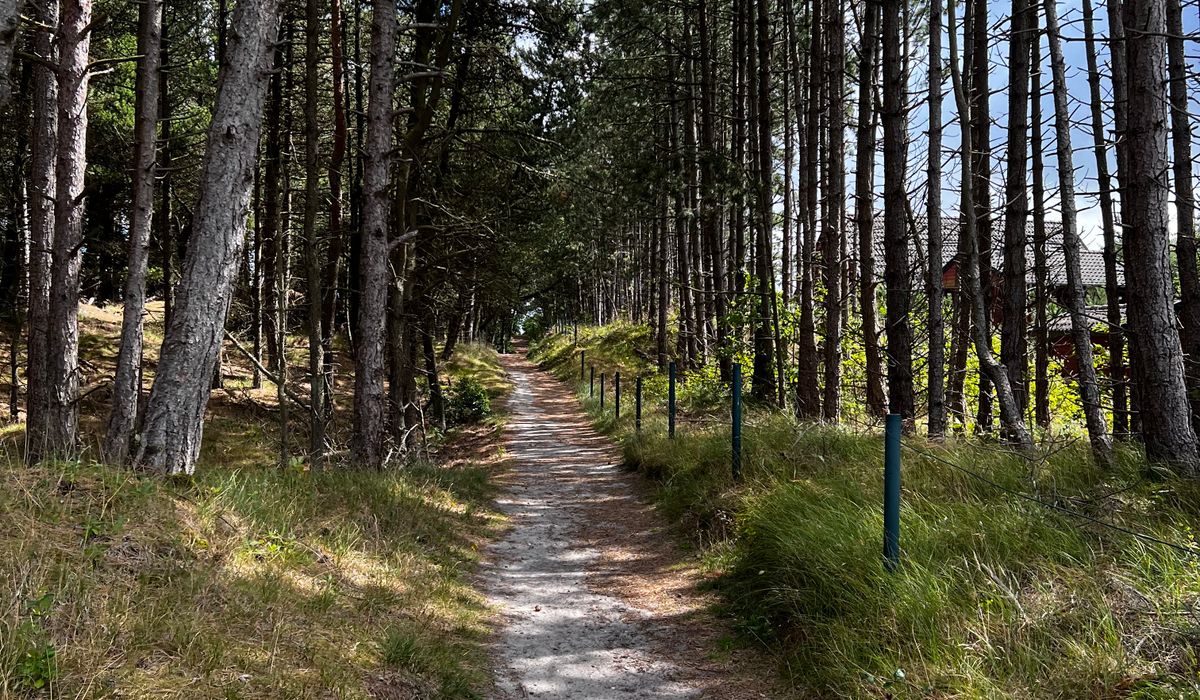
Heathland is a habitat that rewards patience more than pace. On a still morning in late spring, a patch of gorse and heather that looks empty from the car park can hold half a dozen species within a few hundred metres. The trick is not to cover ground quickly, but to stand still, listen, and let the birds come to you.
Lowland heath is a mosaic: bare sandy ground, low heather, scattered gorse, birch scrub and the occasional pine. Birds use different parts of that mosaic at different times of day, and many of them are small, brown and discreet by design. Meadow pipits and linnets blend into the ground. Dartford warblers slip down into gorse the moment they sense a person watching.
This is good news for the quiet walker. Because the birds are not tame, they are also not bold, and a slow, low-profile approach will often give you views that a brisk march never will. Your ears will do most of the work; your eyes confirm what you have already heard.
Two hours after sunrise is the golden window. Birds are feeding, singing and moving, the light is soft, and other visitors are still at home. Wind matters more than sun: anything above a brisk breeze will flatten the quiet calls you are trying to pick out. Damp, drizzly mornings are best avoided, not least because wet heather soaks trousers quickly.
Stay on the paths where they exist, and where they do not, avoid the dense, tussocky cover that hides nests. If a bird starts calling repeatedly at you, or flutters low and away as if injured, you are close to a nest or young. Back off the way you came.
Learning five or six calls will transform a walk. These are the ones you will hear most often on a British heath.
Upland heath adds curlew, red grouse and, if you are very lucky, a passing merlin or ringtail hen harrier. The principle is the same: learn the sound, then look.
Different species occupy different heights and textures, so scan in layers rather than sweeping the whole view.
Start with the gorse tops. Stonechats, linnets and Dartford warblers all use these as song posts, and the warm, dark foliage against a pale sky makes silhouettes easy to pick out. Next, look at the short heather and bare ground. Meadow pipits, wheatears and woodlarks feed here, often running a few steps then pausing. Then check the scrub edges and birch saplings for yellowhammers, whitethroats and the occasional redstart on passage. Finally, lift your eyes to the sky for skylarks, hobby and, on upland sites, birds of prey working the ridge.
Where two habitats meet, you nearly always find more birds. The boundary between heather and mown path, or between gorse and open sand, is worth ten minutes of standing still.
A notebook is not a formality; it sharpens your attention. Record the date, the time, the wind direction and rough strength, and a grid reference or landmark you will recognise later. Then note what you saw, how many, and what they were doing.
If you do submit your records to a local recording group, you are adding to a long dataset that helps land managers decide where to graze, cut or burn scrub. Heathland is one of our rarest habitats, and small, consistent observations genuinely matter.
Spring and early summer are for song and nesting, so keep your distance and let the calls come to you. Late summer brings family parties, linnet flocks and the first southbound migrants. Autumn and winter strip the cover back and make birds easier to see, though harder to hear; this is the time for counting flocks and watching for hen harriers coming in to roost. A heath in January is quieter, but never empty, and a notebook filled across all four seasons will teach you more than any single golden morning.


We are not gonna make spamming
