
The Brave Heath shares practical, down-to-earth guidance on uk outdoor adventures, walking and heathland conservation for readers across the UK.
- 0123456789
- Angle Bd Abdelmoumen & rue soumaya, Résidence
- [email protected]
The Brave Heath shares practical, down-to-earth guidance on uk outdoor adventures, walking and heathland conservation for readers across the UK.
 By Eleanor Whitcombe
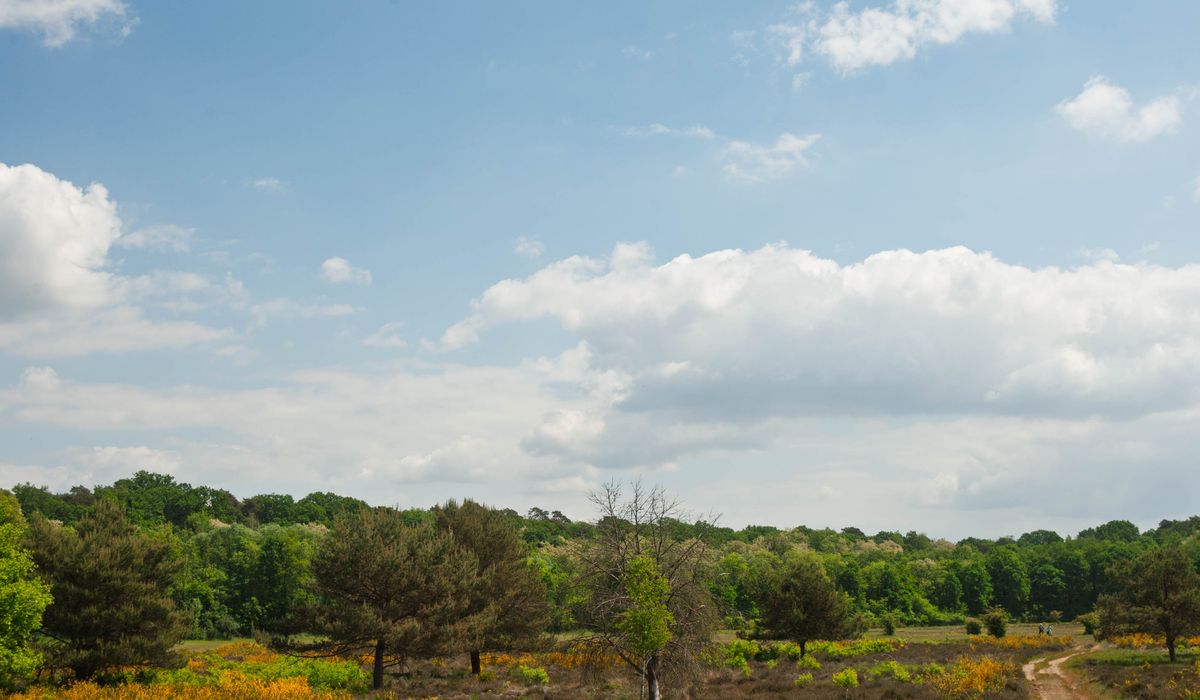
Heathland in winter is a peculiar kind of beautiful. The heather goes bronze and purple, the birches stand bare against grey sky, and the paths — if you can still call them paths — turn into long ribbons of black, gluey peat. It is glorious walking, but it is unforgiving on footwear. A boot that copes well with a gravel track in July can feel like a liability when you are sinking to the ankle on a wet November morning.
Getting the choice right comes down to three things: grip, ankle support and breathability. Everything else — colour, brand, whether the laces match your jacket — is decoration.
Peat is not mud in the ordinary sense. It is partly decomposed plant matter, waterlogged, slippery and astonishingly clingy. It stains leather, works its way into stitching, and forms a slick film over roots and stones that catch out the unwary. Add heather stems that hide holes, patches of wet sand, and occasional rock slabs, and you have terrain that changes character every few metres.
You also cover ground that is rarely flat. Heathland tends to come with gentle undulations, boggy hollows and eroded gullies, so your ankles are constantly making small corrections. That is the real reason boot choice matters so much here.
Deep, well-spaced lugs are what you want, ideally around 4–6mm, with a rubber compound that stays soft in the cold. Hard, shallow tread clogs with peat within a hundred metres and then behaves like a slick. Wide gaps between lugs clear themselves as you walk, which matters far more than a fancy tread pattern.
If you walk a lot of heath in winter, a slightly softer, stickier sole will serve you better than an aggressive alpine tread designed for rock and snow.
Heathland walking rarely involves big drops, but it does involve constant unevenness. A mid-height boot — just above the ankle bone — usually hits the sweet spot. It supports the joint on tussocky ground and across tussocks of purple moor grass, and it keeps peat and grit out better than a low shoe.
Full three-season mountaineering boots are overkill and will leave you hot and heavy on a nine-mile circuit. Conversely, lightweight trail shoes are lovely in dry summer conditions but let in water within seconds when the bog is up. If you want one boot for year-round heath walking, choose a mid-weight leather or fabric-and-leather boot with a proper collar.
A waterproof membrane keeps water out but also slows moisture leaving. On a mild, damp day you will sweat inside almost any boot, and if that sweat cannot escape, your feet end up wet anyway — just from the inside.
The practical answer is threefold:
Leather boots with a membrane and a waxed finish are a popular compromise: robust, reasonably breathable, and easy to re-proof. Synthetic uppers dry faster but can wear through at flex points after a few seasons of hard use.
Fit beats specification every time. A superb boot that rubs will ruin a walk; a modest boot that fits will carry you for years.
Allow for swelling on long days, and remember that a thicker winter sock changes everything. If you are between sizes, go up and use an insole or a slightly thicker sock.
Peat is acidic, so leaving it on your boots accelerates cracking, stitching failure and membrane damage. A few minutes after every walk pays for itself many times over.
If you walk heathland often, consider two pairs and rotate them. Boots that dry properly between outings last noticeably longer, and your feet stay drier on the wet, peaty paths that make these places so worth visiting.


We are not gonna make spamming
