
The Brave Heath shares practical, down-to-earth guidance on uk outdoor adventures, walking and heathland conservation for readers across the UK.
- 0123456789
- Angle Bd Abdelmoumen & rue soumaya, Résidence
- [email protected]
The Brave Heath shares practical, down-to-earth guidance on uk outdoor adventures, walking and heathland conservation for readers across the UK.
 By Eleanor Whitcombe
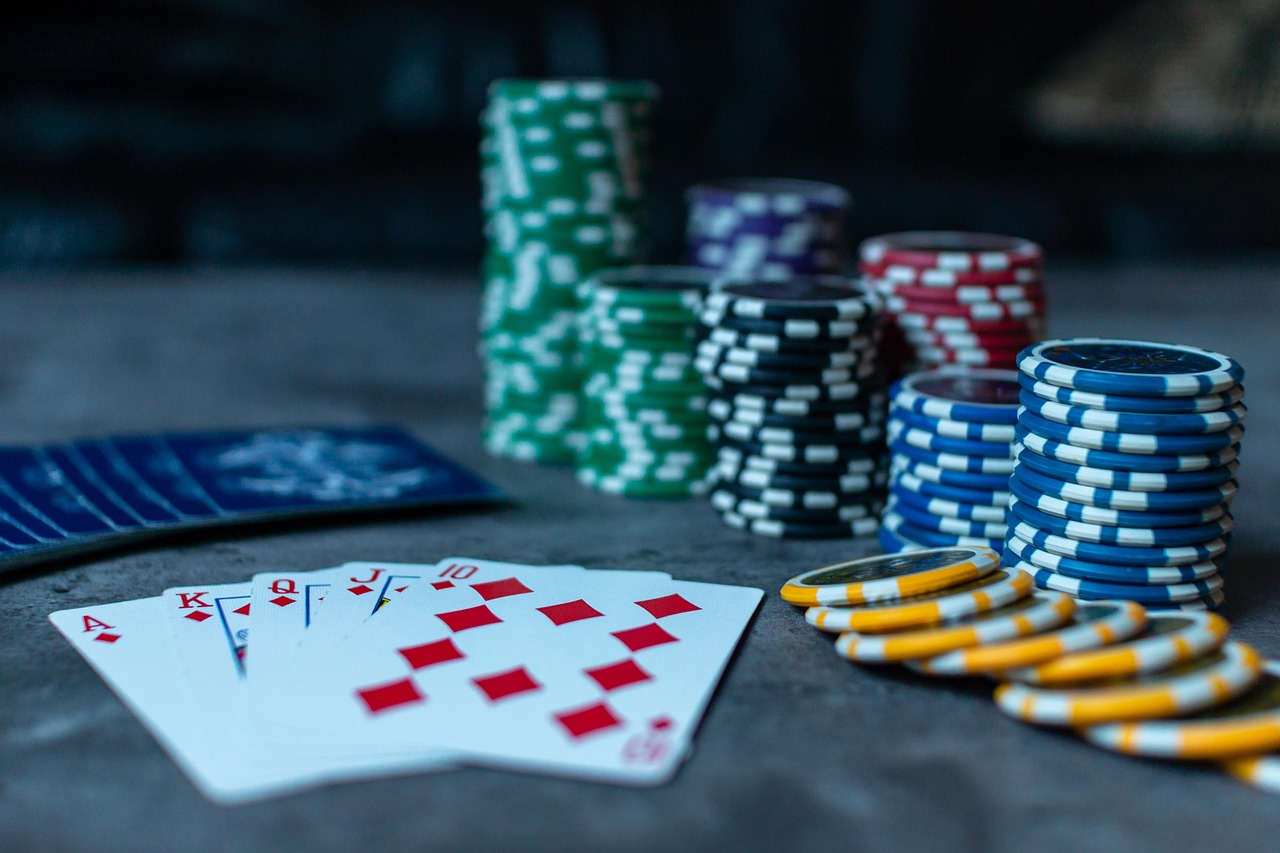
There's a moment every casino player knows. You're sitting at a blackjack table, or watching a slot reel slow to a stop on that third scatter symbol, and the math brain in your head says one thing while the gut says another. The house has an edge. That's not a secret; it's printed on every payout table in the building. But if the math is stacked against us, why do millions of people fire up online casinos, poker rooms and sportsbooks every single day — and why do some of them actually walk away ahead? Because iGaming, done thoughtfully, isn't really about beating the house. It's about understanding it, exploiting its weak spots, and managing the one variable you actually control: yourself.
Every game in a casino carries a house edge, a built-in percentage the operator keeps over enough hands or spins. The trick is that these edges are dramatically different game to game, and most casual players never bother to learn which is which.
The lesson here is straightforward: if you're going to play, play where the edge is smallest. Someone who splits their budget between blackjack and penny slots is playing two entirely different economic games, even though they're standing in the same room.
The slot machine has evolved more than any other part of iGaming in the last decade. Today's online slots are powered by random number generators that produce thousands of outcomes per second, and vendors like Pragmatic Play, GGH, and NetEnt build in features that didn't exist twenty years ago — cascading reels, multiplier wilds, hold-and-win respins, and Megaways engines that create over a hundred thousand payline combinations per spin.
Return-to-player percentages (RTPs) are published for most online slots, and they range from around 92% to over 97% on the most generous titles. A slot with 97% RTP means — over millions of spins — the game returns 97 pence for every pound wagered. High RTP doesn't guarantee a good session, and low RTP doesn't guarantee a bad one over a hundred spins. But in the long run, the gap between a 97% game and a 93% game is huge.
One practical tip: tinker with volatility, not just RTP. Low-volatility slots pay small amounts frequently, which stretches a bankroll. High-volatility slots go long stretches with nothing and then hit a monster. Neither is better — they're suited to different temperaments and session goals. Some of the clearest guidance on this comes from สล็อต.
Here's the thing nobody tells new players: poker is not gambling in the same sense as roulette. You're not playing against the house. You're playing against other people, and the house simply takes a rake. That means a skilled player can genuinely profit over time, and no mathematical ceiling stops them.
The reason poker attracts so much study is that the edge is skill-based. Position at the table — acting last gives you more information — value betting, pot odds, and reading opponents all add measurable equity over thousands of hands. A solid player who understands concepts like ranges and balanced betting lines will outperform a recreational player over any meaningful sample, even if the recreational player wins a single session.
But skill comes with a tax: variance. Even the best cash game players endure losing sessions that last several hours, and tournament players go months without a significant score. Bankroll management isn't optional; it's the difference between a real poker player and someone donating money to them.
Sports betting has grown enormously, and the sharpest bettors think about it differently to the casual punter. They focus on line movement — how odds shift before kickoff — and on closing line value, the idea that if you consistently beat the final price before a match, you're likely beating the market over time.
Another element: the vig, or juice. Bookmakers build a margin into their odds, usually 4% to 6% on a two-way market. That means you don't just need to be right; you need to be right often enough to overcome that margin. Anyone who bets on favourites blindly doesn't understand the math, no matter how confident they feel about a team.
License operators deploy a whole arsenal designed to keep you playing, and this is worth being blunt about.
The gamblers who last are the ones who set a loss limit before logging in, treat deposits as an entertainment budget rather than an investment, and walk away when the session hits that number. That single habit outperforms any strategy or system you'll find on a forum.
Live dealer games are the fastest-growing segment, blending the convenience of a phone with the ritual of a real table. A real croupier spins real cards streamed in HD, and you tap a screen to place bets. Regulators in mature markets have tightened licensing and safer-gambling requirements, which is mostly good news for players, even if it costs operators some margin. Meanwhile, AI-driven personalisation is making casino lobbies smarter, sometimes uncomfortably so.
The honest conclusion is this: iGaming rewards curiosity and punishes complacency. Learn the edge of each game, choose where it's smallest, understand that poker and sports betting offer a genuine skill path while slots and roulette remain pure chance, and never let a bonus or a flashy animation change your limits. The house always wins in the long run for the average player — but the informed player at least stops paying for someone else's win without understanding the bill.


We are not gonna make spamming
