
The Brave Heath shares practical, down-to-earth guidance on uk outdoor adventures, walking and heathland conservation for readers across the UK.
- 0123456789
- Angle Bd Abdelmoumen & rue soumaya, Résidence
- [email protected]
The Brave Heath shares practical, down-to-earth guidance on uk outdoor adventures, walking and heathland conservation for readers across the UK.
 By Eleanor Whitcombe
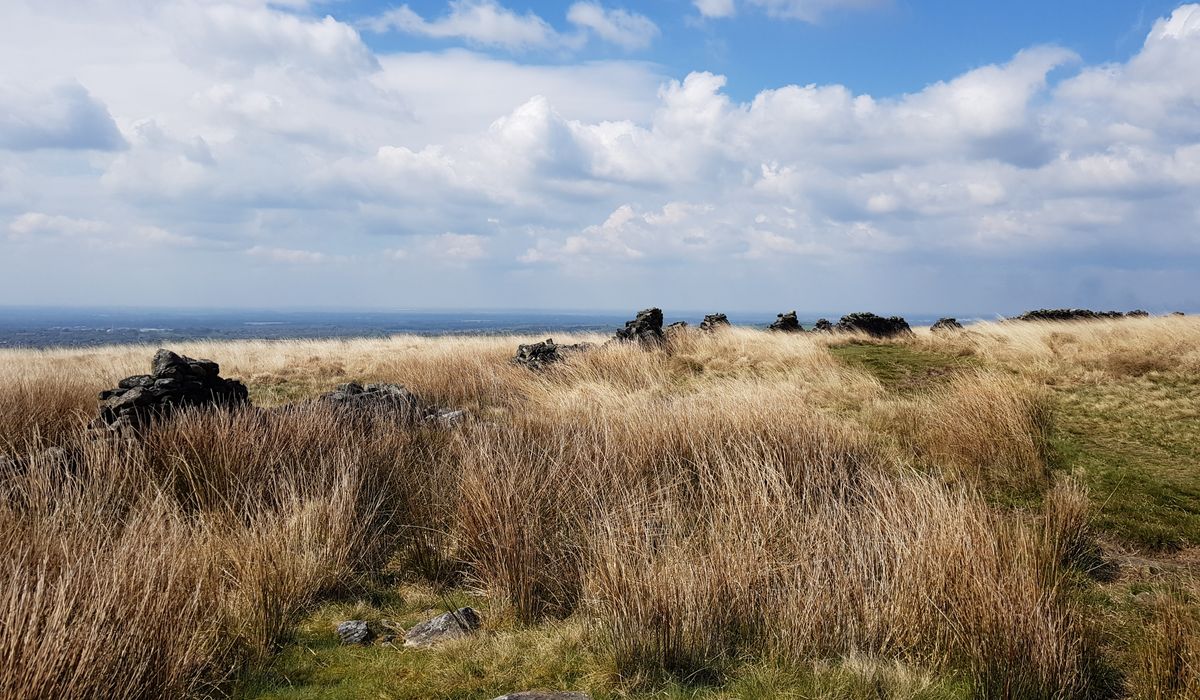
Lowland heathland is one of Britain's rarest habitats, and it is not a landscape that looks after itself. Left alone, it quietly scrubs over with birch, pine and bracken, and within a couple of decades you have woodland where there were once open swathes of purple heather, sandy tracks and basking lizards. Around 80 per cent of our lowland heath has vanished since 1800, so the fragments that remain — from the Surrey Heaths to the Suffolk Sandlings, the New Forest edges to the Staffordshire moors — depend on people with loppers, spades and a bit of spare time.
The good news is that you do not need a countryside management degree to make a difference. A Saturday morning with a volunteer group can shift more scrub than you would believe, and the skills you pick up along the way are genuinely useful. Here is what to expect and how to get involved.
Most practical tasks run from around 10am to 3pm, with a break for tea and biscuits that is treated with near-religious seriousness. A task leader will run through a safety briefing, hand out tools, and explain why the day's work matters for the site. Expect to be on your feet, on uneven ground, and probably a bit muddy.
Common jobs include:
Not every task suits every person. If you have a bad back or dodgy knees, say so — there is always seed sorting, tool cleaning, or record keeping to be done, and no one will think less of you for it.
Groups almost always provide gloves, tools and personal protective equipment, including safety glasses if you are using cutting tools. What you need to bring is mostly about comfort:
Check whether the meeting point is a car park or a roadside verge, and whether lifts can be arranged. Many groups car-share from a central spot, which is a good way to meet people before you have even picked up a saw.
Volunteering is one of the cheapest and most enjoyable routes into practical conservation. Over a season you might learn to identify heather beetle damage, tell bell heather from ling, use a bowsaw safely, read a site management plan, and understand why grazing with cattle or ponies keeps a heath open in a way that mowing never quite manages.
These are the sorts of skills that count towards certificates in countryside management, and they look good on a CV whether you are aiming for ecology, land management, teaching or something else entirely. Just as importantly, you learn how to work alongside people you have only just met, in the rain, with a shared flask of tea. That is a skill in itself.
Conservation volunteering attracts a broad mix — retirees who have moved to the area, students, shift workers, parents escaping the school run, people who simply like being outdoors. Regular groups tend to become genuine communities, with Christmas meals, birdwatching trips and a WhatsApp group that never stops.
There is also the slower reward. Returning to the same site through the year, you start to notice things: the first heather bells in July, a slow-worm under a sheet of corrugated tin, nightjars churring at dusk on a summer evening. Heather regeneration is not instant, but bare ground you cleared in February can be purple by August two or three years later, and that is enormously satisfying.
Start with your local wildlife trust, which runs regular work parties across its nature reserves, or approach the county council's countryside service and your nearest national park authority. Many Areas of Outstanding Natural Beauty and National Landscapes have volunteer schemes, and some larger heathland projects run weekend taster sessions for newcomers.
When you make contact, ask three practical questions: where do you meet, what should I wear, and do you need me to book ahead? Then turn up once. You do not have to commit to every week. An occasional morning is genuinely welcome, and the heath will take whatever time you can give it.


We are not gonna make spamming
