
The Brave Heath shares practical, down-to-earth guidance on uk outdoor adventures, walking and heathland conservation for readers across the UK.
- 0123456789
- Angle Bd Abdelmoumen & rue soumaya, Résidence
- [email protected]
The Brave Heath shares practical, down-to-earth guidance on uk outdoor adventures, walking and heathland conservation for readers across the UK.
 By James Hartley
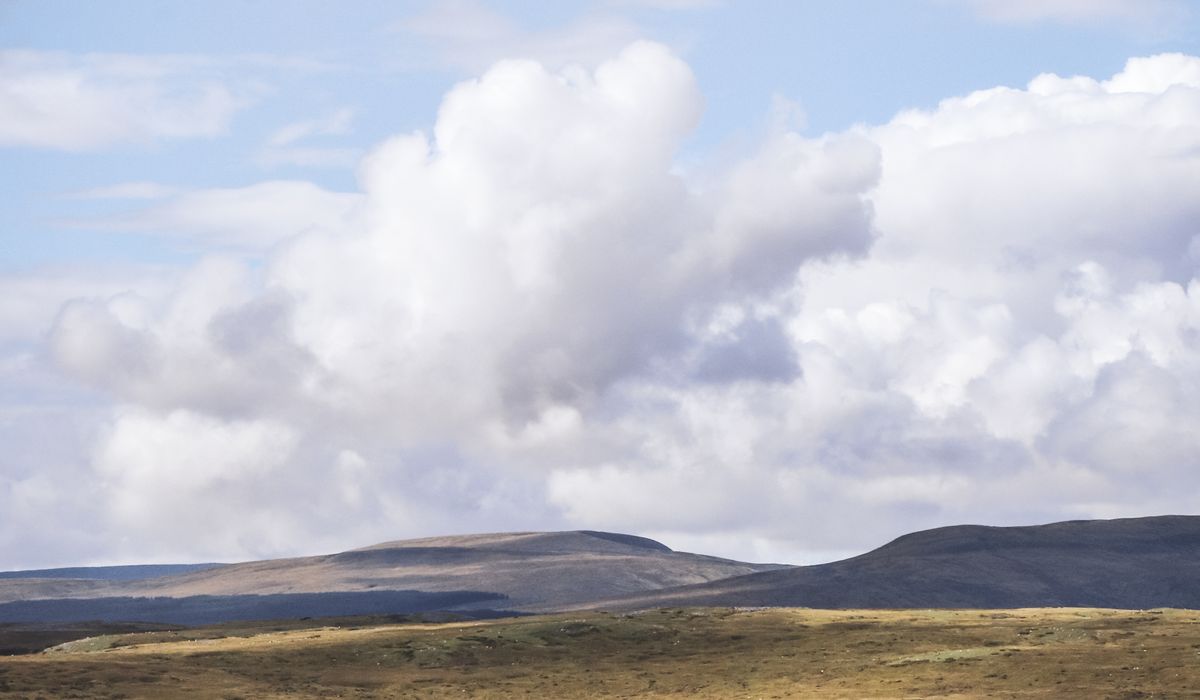
Heathland mist needs very particular conditions: a still, clear night following a damp afternoon. Radiational cooling chills the ground, moisture condenses close to the surface, and cold air drains into dips, frost hollows and shallow stream valleys. Wind speeds above roughly 10 mph stir the air and leave you with a flat grey dawn instead of something luminous.
Study the forecast the evening before. Look at overnight minima, dew point and wind speed, and pick a site with a little relief — a shallow valley, a track cutting between stands of birch, a hollow where the heather grows tall and dark. Arrive 30 to 40 minutes before sunrise, while there is still enough light to set up without stumbling into a bog.
The reward for the early alarm is the way mist behaves. It pools and drifts, thinning in one place while thickening in another, and it glows long before the sun appears. Ten minutes after sunrise it can vanish entirely. That narrow window is what you came for, so have your kit ready and your first composition chosen before the light arrives.
Mist is bright. It reflects far more light than the heather beneath it, and your camera's meter will try to render it as a muddy mid-grey. Switch to manual and treat the mist as your highlight: expose so the brightest areas retain detail, using the histogram rather than the rear screen. A reading of around minus one third to minus one stop from a mid-tone area of heather is a sensible starting point.
Direction matters as much as exposure. Backlight produces rim-lit heather, glowing dew and soft shafts when the sun breaks through. Sidelight reveals the texture of gorse and the ridges of a track. Shooting straight into the sun is possible, but use a lens hood, expect flare, and keep a microfibre cloth handy for the smeared glow that creeps in when moisture settles on the front element.
Bracketing is a useful insurance policy on mornings when the contrast between bright mist and dark pine is extreme. Three frames a stop apart will give you something to work with later, even if you rarely need them.
Long exposures in low light demand a tripod, and heathland is unforgiving ground. Press the spiked feet firmly into peat or sand, splay the legs wider than usual, and keep the centre column down — a low camera also gives you a more interesting foreground of heather and dew. Use a cable release or the two-second timer, and enable mirror lock-up if your camera offers it.
Two lenses will cover almost everything. A standard zoom handles the wide scenes and the close foreground work; a telephoto of 100–400mm compresses the layers of ridge and mist into soft, stacked bands that look wonderful in a photograph. Pack spare batteries in an inside pocket, because cold drains them quickly, and let your gear acclimatise before you leave the car to reduce condensation on the glass.
Mist does most of the work for you — it removes clutter and turns a busy landscape into overlapping tones. Your job is to give the eye somewhere to rest. Look for a single anchor: a lone Scots pine, a clump of silver birch, a curving sandy track, a gate or a gorse bush standing dark against the glow. One subject is almost always stronger than three.
A vertical frame suits tall birch and drifting mist beautifully, so try both orientations rather than settling for the first shape that fits.
The first hour also belongs to the small things. Heather bells, cross-leaved heath, gorse spines and grass stems all gather droplets overnight, and spider webs strung between them light up like jewellery when the sun is behind them. A tripod that drops almost to ground level is essential here, along with a macro lens or a close-focusing zoom.
Stop down to around f/11 for useful depth of field, focus manually and check at magnification, and work quickly — dew is gone within minutes of the sun reaching it. Watch your own shadow, and be aware of your breath, which will fog the viewfinder and drift visibly through a backlit beam of light.
Lowland heath is one of the rarest habitats in Europe, and it is easily damaged. Much of it is protected as a Site of Special Scientific Interest, which brings legal obligations as well as ethical ones. Heather and lichen recover slowly from trampling, so keep to paths and tracks, and never flatten a patch of vegetation simply to get a lower viewpoint.
Between March and July, ground-nesting birds such as nightjar, woodlark and Dartford warbler are sitting on eggs or chicks that are almost invisible until you are about to stand on them. Adders bask on open patches in the early sun. Use a telephoto rather than your feet, avoid playback calls to lure birds into view, and keep dogs on a short lead. Drones are both disturbing and frequently prohibited on sensitive sites.
Close gates, take everything home with you, and if a shoot is commercial, seek permission in advance. The photographs are worth far less than the place that made them.


We are not gonna make spamming
