
The Brave Heath shares practical, down-to-earth guidance on uk outdoor adventures, walking and heathland conservation for readers across the UK.
- 0123456789
- Angle Bd Abdelmoumen & rue soumaya, Résidence
- [email protected]
The Brave Heath shares practical, down-to-earth guidance on uk outdoor adventures, walking and heathland conservation for readers across the UK.
 By James Hartley
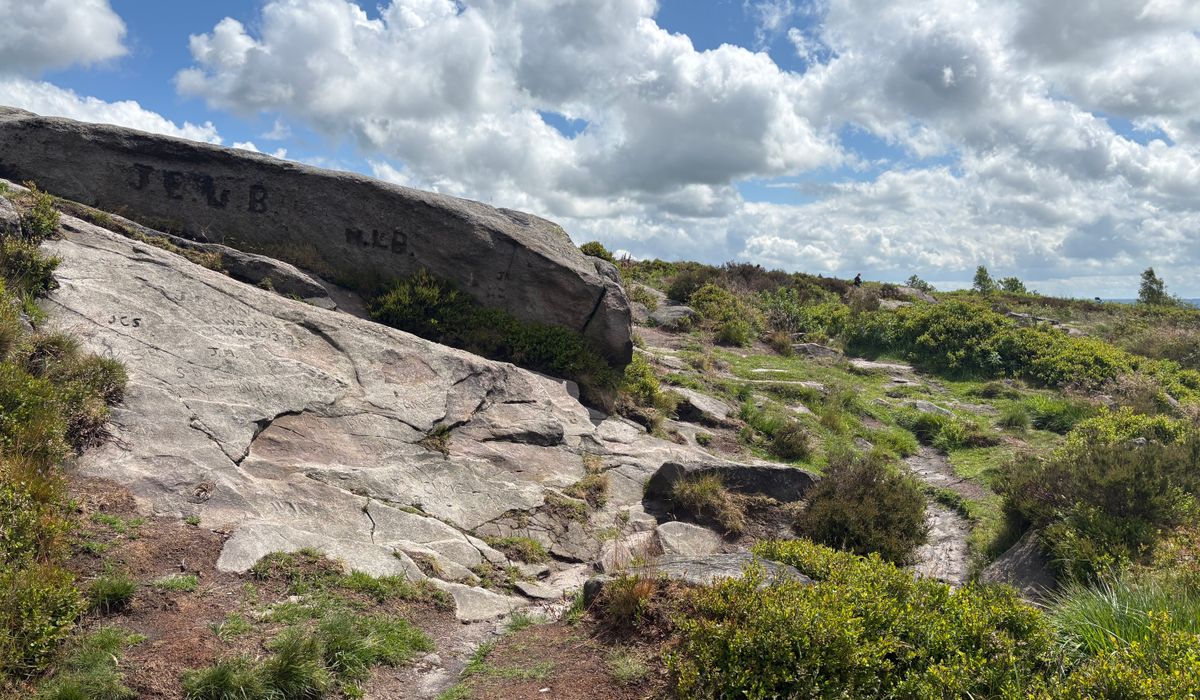
After a long day striding across purple heather and sandy tracks, the last thing you want is a washing-up mountain. One pot cooking is a quiet revolution for UK outdoor adventures. It uses less fuel, fewer utensils and creates almost no waste. That matters when you are cooking on a small stove in a fragile landscape. Lowland heath is one of Britain’s rarest habitats. It supports nightjars, Dartford warblers and sand lizards. Open fires are a serious risk here, so a reliable stove and a single pot are the responsible choice. You can still eat like a king, using ingredients bought from a nearby farm shop, honesty box or market. The trick is building flavour slowly, then letting the pot simmer while you pitch your tent or watch the sun dip behind the pines.
Keep it simple. A one-litre or 1.5-litre pot with a tight-fitting lid is ideal for one or two people. Choose a lightweight stove that simmers well, not just blasts. You will need a long-handled spoon, a small knife, a lightweight chopping board and a cloth. A little olive oil or a knob of butter goes a long way. Fuel is precious, so use the lid, keep the flame low and avoid vigorous boiling. Soaking grains and pulses at home cuts cooking time dramatically. If you are walking far, carry only what you need: a small bag of pearl barley, a handful of red lentils, a few stock cubes, and a twist of black pepper. These weigh little and transform humble vegetables into something deeply satisfying.
Every great one-pot meal starts with alliums. Onions, leeks, shallots or wild garlic (foraged responsibly and sparingly) create a sweet, savoury base. Sweat them gently in oil or butter until soft and translucent, not browned. This takes five minutes and is the difference between a bland stew and a proper camp feast. Add herbs next: thyme, rosemary, bay, or a pinch of dried oregano. Fresh herbs from a garden or a local shop are brilliant, but dried ones are lighter to carry. Then introduce your seasonal vegetables. In autumn and winter, think carrots, swede, parsnips, potatoes and kale. In spring and summer, use courgettes, peas, broad beans and tender spinach. Mushrooms add deep, earthy notes. A splash of soy sauce, a teaspoon of mustard, or a spoonful of marmalade can lift everything. Remember: season as you go, not just at the end.
Use this formula: allium + root or pulse + stock + herb + green. Here are three reliable combinations for UK adventures.
Heathland conservation depends on all of us. Cook on a stove, never an open fire. Do not collect wood or kindling from the heath – it is home to invertebrates and fungi. Keep washing water away from streams and ponds, and use minimal biodegradable soap. Strain your washing-up water and pack out every scrap of food waste, including tea bags and eggshells. Buy your ingredients locally where you can. A farm shop, a village bakery or a community orchard puts money into the landscape you are enjoying. If you forage, take only a little, never dig up roots, and avoid rare species. The heath is not a larder; it is a living community. Your one pot meal should leave it richer, not poorer.
Preparation at home saves fuel and hassle. Chop onions, carrots and potatoes the night before and store them in a sealed bag. Measure grains and spices into small pots. Use up leftovers from your fridge – a lonely carrot, a bendy leek, half a pepper – they all belong in the pot. At camp, boil only the water you need. If you have a vacuum flask, fill it with hot stew for a midday stop. One pot means one wash, using a tiny amount of water and a drop of soap. Rinse, wipe, and you are done. That leaves more time for watching the sun set over the heather, listening to a nightjar churring, and planning tomorrow’s walk. Simple food, cooked slowly, tastes all the better when the view is wild and the washing-up is minimal.


We are not gonna make spamming
