
The Brave Heath shares practical, down-to-earth guidance on uk outdoor adventures, walking and heathland conservation for readers across the UK.
- 0123456789
- Angle Bd Abdelmoumen & rue soumaya, Résidence
- [email protected]
The Brave Heath shares practical, down-to-earth guidance on uk outdoor adventures, walking and heathland conservation for readers across the UK.
 By Tom Ashworth
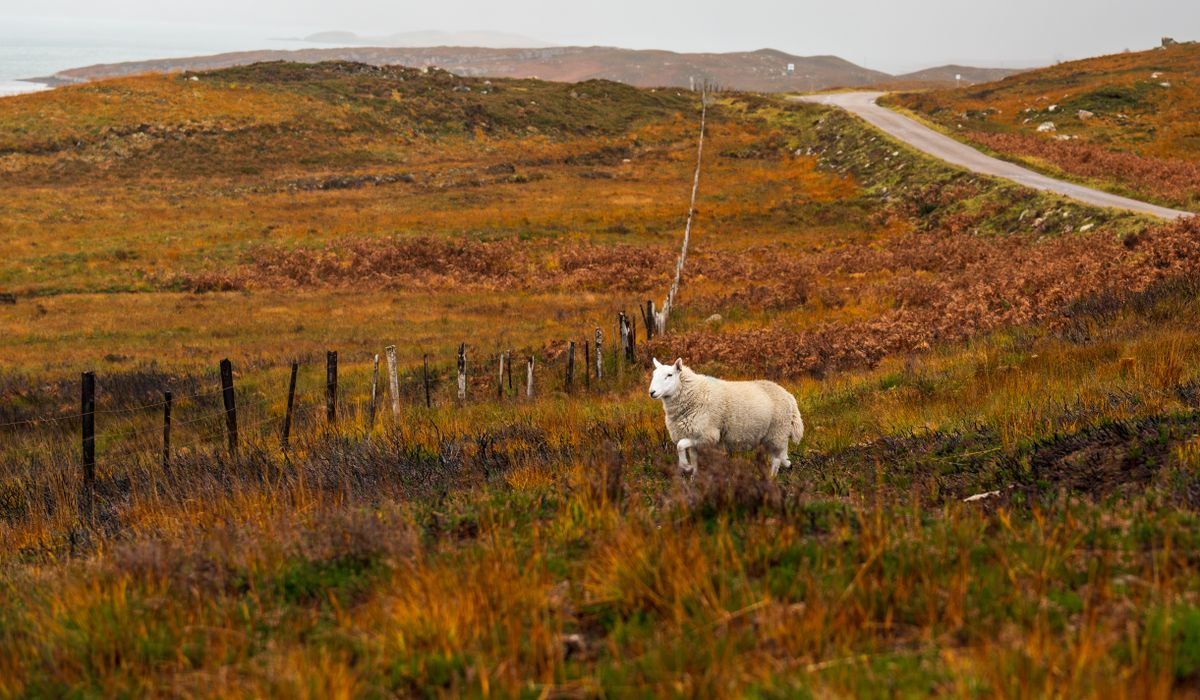
There is nothing quite like stepping onto a path that threads through purple heather under a wide sky. But before you stride off, it helps to understand the layers of access that shape where you can go, how you can travel, and what is expected of you. The British countryside is a patchwork of public rights of way, open access land, and private land where you are welcome only by permission. Knowing the difference keeps you on the right side of both the law and the landowner, and it protects the fragile habitats that make these places so special.
Public rights of way are recorded on the definitive map held by your local highway authority. They are legal routes, not suggestions. A public footpath is for walking only. You can take a pushchair or a dog, but not a bicycle or horse. A bridleway is for walking, horse riding and cycling. Cyclists must give way to walkers and riders. A restricted byway adds horse-drawn vehicles to the mix. A byway open to all traffic is rare and, as the name suggests, can carry motor vehicles. On all of these, you have the right to pass and repass, but not to wander off the line of the path into surrounding fields, even if the path is muddy or overgrown. If a path is blocked, report it to the local authority rather than finding a workaround through a crop.
Open access land is different. Under the Countryside and Rights of Way Act 2000, you can walk freely across mapped areas of mountain, moor, heath, down and registered common land in England and Wales. You do not need to stick to paths. But this freedom comes with responsibilities. Access is on foot only, so no cycling, horse riding or vehicles unless a right of way crosses the land. You may not camp, light fires, or take anything from the land. Dogs must be on a short lead between 1 March and 31 July to protect ground-nesting birds, and at all times around livestock. In Scotland, the Scottish Outdoor Access Code offers broader rights of responsible access, but the same principles of care apply. Always check for local signs or online maps before you assume an area is open access.
Waymarks are your best friends. In England and Wales, yellow arrows mark footpaths, blue arrows mark bridleways, purple arrows mark restricted byways, and red arrows mark byways open to all traffic. On open access land, look for the brown and white open access symbol, often with a walking figure and the words "Open access land" or "Access land". These signs may also carry a specific date or a map of the open area. Local guidance boards at car parks and visitor hubs often explain seasonal restrictions, such as temporary closures for ground-nesting birds, heathland fires, or military training. A quick glance before you set off can save a confrontation later. If a sign says "No public access", believe it. It usually means a farmer is protecting livestock, a crop, or a delicate habitat.
Heathland is one of the rarest habitats in the world, and the UK holds a significant share of it. It is also surprisingly fragile. The thin, acidic soils support heather, gorse, bracken and a host of specialist plants, insects and reptiles. Ground-nesting birds such as nightjar, woodlark and Dartford warbler nest directly on the ground or in low vegetation. A single footstep off-path can crush eggs or chicks. Trampling also breaks up the fragile crust of lichens and mosses, leading to erosion that can take decades to heal. On wet heath, repeated footsteps turn paths into muddy gullies, draining the bog and harming the insects that feed the birds. By staying on established paths and using gates and stiles correctly, you keep your impact minimal and help ensure these extraordinary places remain wild for everyone.
Many paths cross working farmland. Cattle, sheep and ponies are not obstacles; they are part of the landscape. Give them space, especially cows with calves. If you feel threatened, let go of your dog's lead so you can move away safely; a dog on a lead can make a cow more aggressive. On open access land, keep dogs on a short lead between 1 March and 31 July and whenever livestock are present. Elsewhere, keep your dog under close control and clean up after it. Always leave gates as you find them: open if open, closed if closed. Do not climb walls or fences. Use the stile, gate or gap provided. Take all litter home, including fruit peel and dog waste bags. Never light a fire or barbecue on heathland; a single spark can destroy years of recovery.
Access can shift with the seasons. Temporary closures may be in place for ground-nesting birds, deer stalking, or heathland management such as burning or cutting. Some paths are diverted when a field is in crop. Local nature reserves and national park authorities often publish updates on noticeboards, in newsletters, or on their websites. It is worth checking before a long drive. If you meet a warden or a farmer, a friendly hello goes a long way. They are usually happy to share the best route for the day, or warn you about a bull in the next field. Respecting local guidance is not about being told what to do; it is about being a good guest in a living, working landscape.
So next time you pull on your boots, take a moment to read the signs, check the map and think about the ground beneath your feet. Whether you are following a yellow arrow across a lowland heath or wandering freely on open access moorland, your care helps keep these paths open, these habitats healthy, and these adventures possible for generations to come.


We are not gonna make spamming
